In our fast-paced, modern lives, it’s easy to overlook one of the simplest yet most vital components of our health: hydration. With a vast array of beverages available, understanding hydration essentials can feel overwhelming. However, prioritizing adequate fluid intake is essential for maintaining optimal health, enhancing physical performance, and boosting cognitive function. In this comprehensive guide, we will explore the importance of hydration, the best sources of fluids, and practical tips to ensure you stay hydrated throughout the day.
The Importance of Hydration
Water is not just a thirst-quencher; it is a fundamental building block of life. Approximately 60% of the human body is composed of water, and it plays a crucial role in various bodily functions, including:
-
Temperature Regulation: Water helps maintain your body’s temperature through sweat, preventing overheating during vigorous activities.
-
Nutrient Transport: It serves as a solvent for nutrients, facilitating the absorption and transportation of vitamins and minerals to cells.
-
Joint Lubrication: Adequate hydration is essential in keeping joints lubricated and cushioning organs and tissues.
-
Detoxification: Water is vital for kidney function, aiding in the elimination of waste and toxins from the body.
From enhancing cognitive functions to improving athletic performance, maintaining adequate hydration is a necessary step for everyone.
Hydration Essentials: Best Sources of Fluids
While water is the most obvious choice for hydration, it’s not the only one. Here are some top hydration essentials that can contribute to your daily fluid intake:
1. Water: The Gold Standard
Plain water should be your primary source of hydration. It’s calorie-free, readily available, and perfect for quenching your thirst without added sugars or calories. Aim for at least eight 8-ounce glasses a day, or more if you’re active.
2. Herbal Teas
Herbal teas are an excellent alternative to water, offering flavors without caffeine. They can be enjoyed hot or cold and often come with additional health benefits depending on the herbs used. Popular choices include chamomile, peppermint, and hibiscus tea.
3. Infused Water
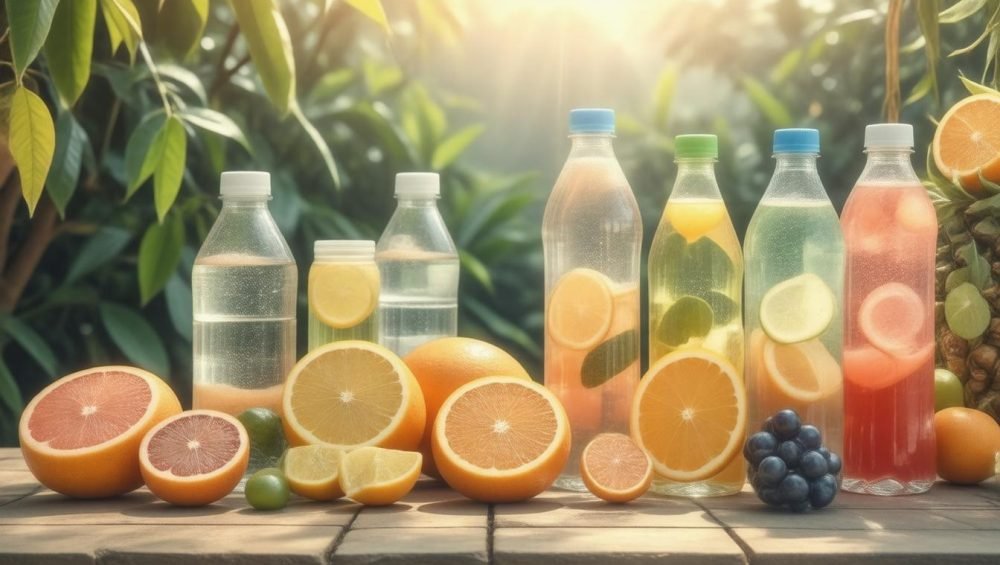
If you struggle with drinking plain water, try infusing it with fruits, vegetables, or herbs. Cucumber-mint and strawberry-basil infusions not only enhance flavor but also add vitamins and antioxidants.
4. Coconut Water
Coconut water is a natural electrolyte-rich beverage, making it a refreshing option, particularly after exercise. It replenishes lost fluids and promotes recovery, making it a favored choice among athletes.
5. Fruits and Vegetables
Many fruits and vegetables have high water content and can significantly contribute to your hydration. Watermelon, cucumbers, oranges, and strawberries are particularly hydrating snacks that satisfy your thirst while providing essential nutrients.
6. Sports Drinks
While generally high in sugar, sports drinks can be beneficial during prolonged exercise, as they contain electrolytes that aid hydration. Opt for low-sugar versions when possible, and reserve them strictly for high-intensity workouts.
Practical Tips for Staying Hydrated
Now that we’ve covered hydration essentials, how can you ensure you drink enough fluids throughout the day? Here are some practical tips to help meet your hydration goals:
-
Keep a Water Bottle Handy: Invest in a reusable water bottle and take it with you wherever you go. Having water within reach makes it easier to sip throughout the day.
-
Set Reminders: Use apps or set alarms on your phone to remind you to drink water at regular intervals.
-
Hydrate Before Meals: Make it a habit to drink a glass of water before each meal, which can also assist in digestion and potentially help control overeating.
-
Monitor Your Urine Color: A simple yet effective way to gauge hydration is to check the color of your urine. Light yellow generally indicates proper hydration, while dark yellow suggests you need to drink more fluids.
-
Adopt the Habit of Hydration: Try to incorporate hydrating foods into your meals and snacks, and create a schedule to ensure consistent fluid intake throughout the day.
Conclusion
Hydration is a crucial component of a healthy lifestyle, often overshadowed by more complex dietary choices. By understanding the hydration essentials, you can enhance your overall health and well-being. Regularly sipping water, incorporating hydrating foods, and being mindful of your body’s needs are all effective strategies to ensure you stay hydrated. So, the next time you feel parched, remember that adequate hydration is one of the simplest and most beneficial steps toward maintaining optimal health. Cheers to a healthier, hydrated you!