
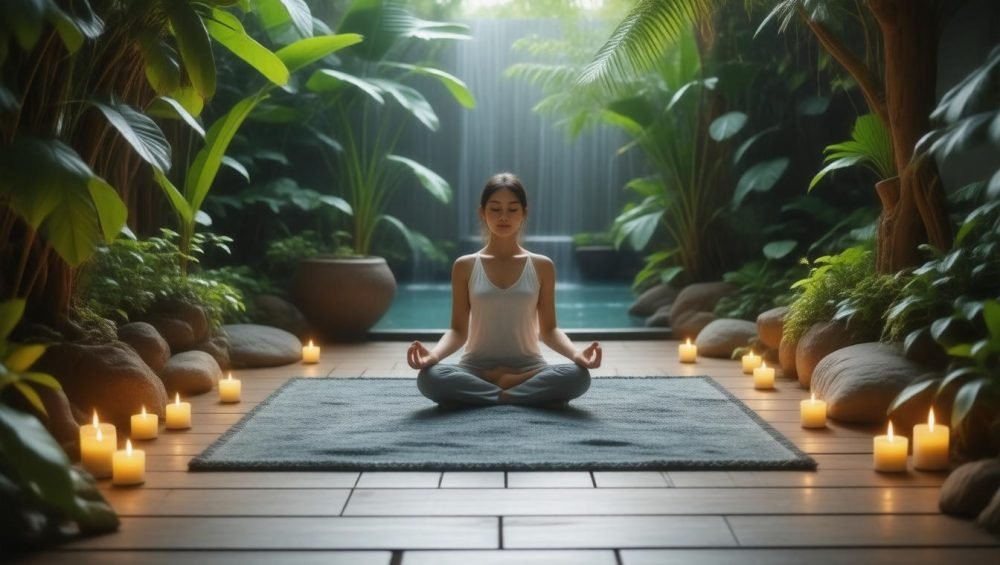
In today’s fast-paced world, stress has become an unwelcome companion for many of us. It can affect our physical health, emotional state, and overall quality of life. Fortunately, meditation for stress relief has emerged as a powerful tool to help individuals regain tranquility and find their inner peace. In this article, we’ll explore various meditation techniques designed to alleviate stress and promote relaxation.
Understanding Meditation and Its Benefits
Meditation is an ancient practice that involves focusing the mind to achieve a state of heightened awareness and clarity. While it has roots in spiritual traditions, modern research has validated its effectiveness as a stress relief technique. Regular meditation can lead to numerous benefits, including:
- Reduction in Stress Levels: Mindfulness and focused breathing help calm the mind and reduce cortisol levels, the hormone associated with stress.
- Improved Emotional Health: Meditation can enhance self-awareness and reduce symptoms of anxiety and depression.
- Better Concentration: Practicing meditation can improve attention span and cognitive function, boosting focus during stressful times.
- Enhanced Physical Well-Being: Lower stress levels contribute to improved heart health, better sleep, and a stronger immune system.
Effective Meditation Techniques for Stress Relief
1. Mindfulness Meditation
Mindfulness meditation encourages practitioners to remain present and engaged in the moment. This technique involves observing thoughts and feelings without judgment. To practice mindfulness meditation:
- Find a Quiet Space: Sit in a comfortable position, close your eyes, and take a few deep breaths.
- Focus on Your Breath: Pay attention to your inhalations and exhalations. If your mind wanders, gently bring it back to your breath.
- Observe Your Thoughts: Allow thoughts to come and go without attachment. Acknowledge them, then return to focusing on your breath.
2. Guided Imagery
Guided imagery is a relaxation technique that uses visualization to achieve a calm state. You can practice this technique alone or with the help of audio recordings. Here’s how:
- Find a Comfortable Position: Sit or lie down in a serene environment.
- Close Your Eyes: Take a few deep breaths to relax.
- Visualize a Peaceful Place: Imagine a tranquil location, whether a beach, forest, or mountain top. Engage your senses as you visualize the sounds, smells, and sights around you.
3. Transcendental Meditation
Transcendental meditation (TM) involves silently repeating a specific mantra to settle the mind into restful awareness. Here’s how to practice TM:
- Select a Mantra: Choose a word or phrase that resonates with you. It’s best to work with a certified teacher for personalized guidance.
- Sit Comfortably with Your Eyes Closed: Focus on your mantra while allowing your thoughts to drift.
- Practice for 15-20 Minutes: Repeat the mantra effortlessly and gently return to it whenever distractions arise.
4. Loving-Kindness Meditation
Loving-kindness meditation (metta) fosters compassion for oneself and others. This practice can significantly increase feelings of connection and positivity. Here’s a simple way to practice:
- Find a Comfortable Position: Sit comfortably, close your eyes, and take a few deep breaths.
- Begin with Yourself: Silently repeat phrases such as “May I be happy,” “May I be healthy,” and “May I be safe.”
- Expand Your Circle: Gradually extend these wishes to others — loved ones, acquaintances, and even those you find challenging.
5. Body Scan Meditation
The body scan technique focuses on the different parts of your body, helping you develop a deep sense of awareness and relaxation. To practice body scan meditation:
- Lie Down Comfortably: You can also sit if that’s more comfortable.
- Close Your Eyes: Take deep, calming breaths.
- Scan Your Body: Start from your toes and slowly work your way up to your head, noticing any sensations or areas of tension. Take time to breathe into areas of discomfort.
Integrating Meditation into Your Daily Routine
To effectively harness the power of meditation for stress relief, consistency is key. Here are some tips to integrate meditation into your daily life:
- Set a Schedule: Designate specific times for your meditation practice, whether in the morning, during lunch breaks, or before bedtime.
- Start Small: If you’re new to meditation, start with just five minutes and gradually increase the duration as you become more comfortable.
- Be Patient: It’s normal for thoughts to arise—don’t judge yourself. The goal is to gently refocus and cultivate awareness over time.
Conclusion
Meditation for stress relief is a practical and transformative approach to managing the pressures of modern life. By exploring different techniques such as mindfulness, guided imagery, and loving-kindness meditation, you can find the method that resonates with you. As you cultivate a regular practice, you’ll likely discover a deeper sense of calm, well-being, and resilience amidst life’s challenges. Embrace the journey of meditation, and let it guide you to a more peaceful, less stressful existence.